














Flipping Cars: What It Is and How You Can Get Started


Key Takeaways
6 minute read- Car Flipping Basics: Buy undervalued used vehicles at low prices, repair them cost-effectively, and resell for profit in high-demand markets.
- Essential Skills Required: Master market research tools, develop mechanical inspection abilities, and hone negotiation tactics to identify deals and maximize margins.
- Legal Compliance Matters: Obtain a dealer's license if selling more than 3-5 cars annually and handle all required paperwork including titles, taxes, and insurance.
- Strategic Repair Approach: Focus on high-ROI improvements like engine work, transmissions, and new tires while deciding between DIY savings versus professional quality.
- Scalable Business Model: Start small with one or two vehicles as a side hustle and gradually expand through networking, multiple sourcing channels, and professional marketing.
The resale of automobiles is the process of buying and selling cars with the aim of making a profit. It can be a quite lucrative business opportunity due to the current state of the automotive market. No matter where you live, there is always a high demand for used cars. However, you need to know what you are doing; otherwise, you could lose money. In this article, you will get a brief overview of the business and learn some tips on how to avoid pitfalls.
What is automobile resale?
Definition of automobile resale
The concept of resale is simple: you buy used cars at low prices, make the necessary repairs, and sell the cars for a profit. This can be almost compared to real estate flipping, except the focus is on vehicles.
Basic principles
The most important principle in this business is to buy low and sell high. Your success depends on your ability to identify undervalued cars with potential resale prices. To carry out this task successfully, you need to understand car values, trends, and demand.
Why people engage in automobile resale
This business can offer significant rewards. It is ideal for everyone, from passionate enthusiasts to business opportunists. It doesn't mean it is without challenges, but with the right strategies, anyone can succeed.
Key skills for success in automobile resale
Market knowledge
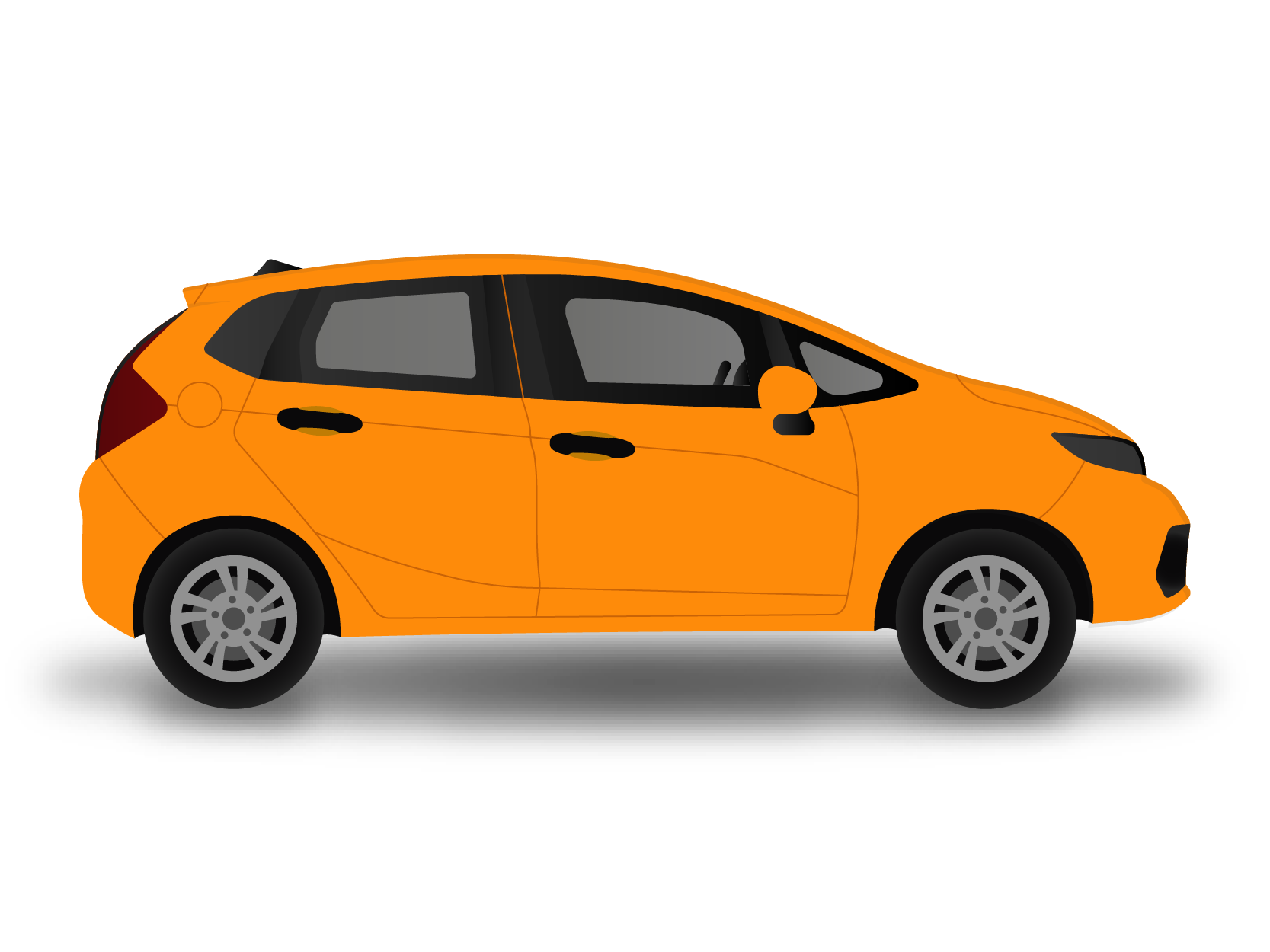
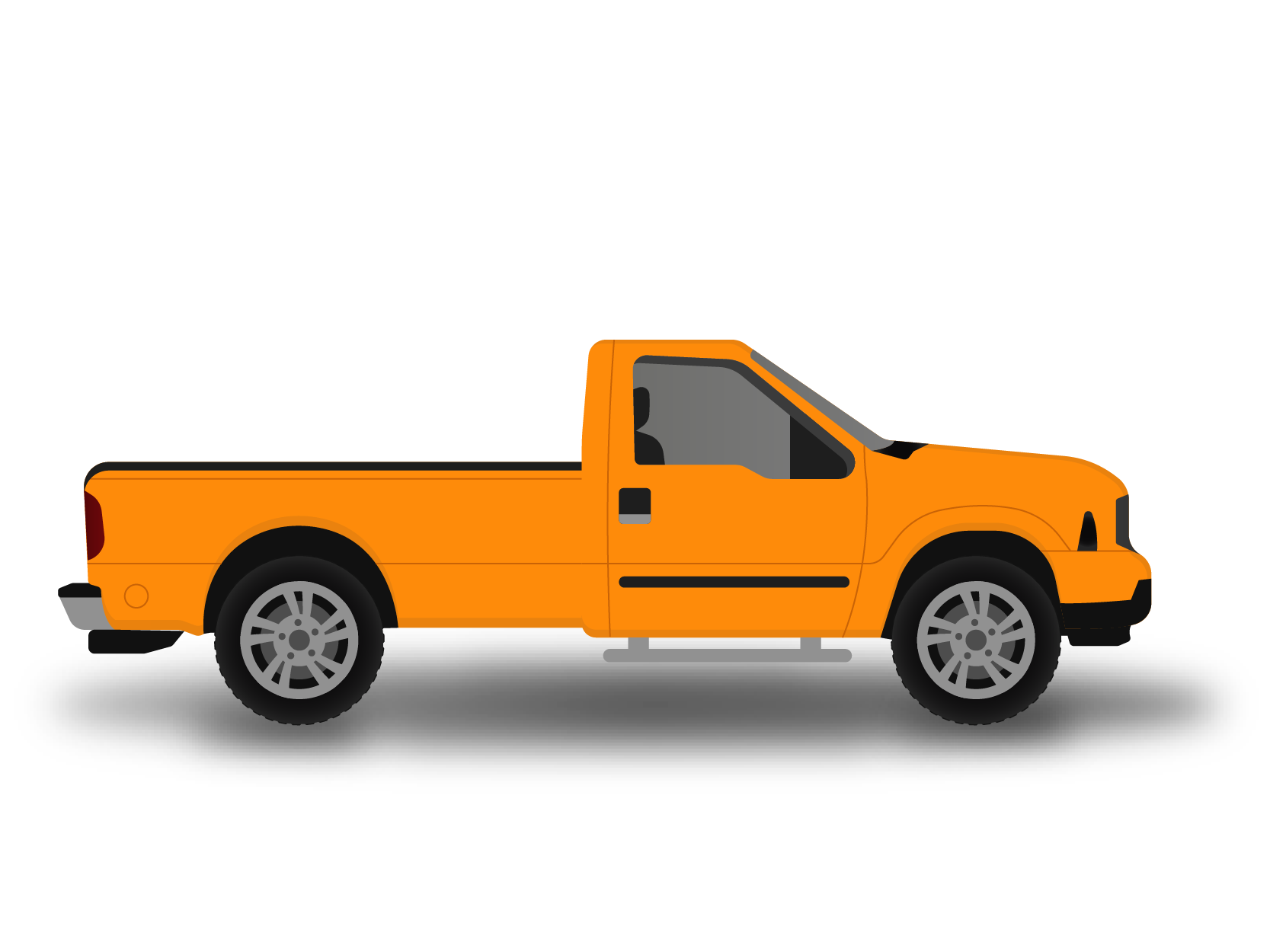
Market knowledge is essential when it comes to automobile resale. Buyers can assess the value of cars using resources like Kelley Blue Book, NADA Guides, and auction databases. You can use these resources to find out which cars are in high demand in your area (for example, trucks are more popular in rural areas, sedans in urban areas).
Mechanical skills
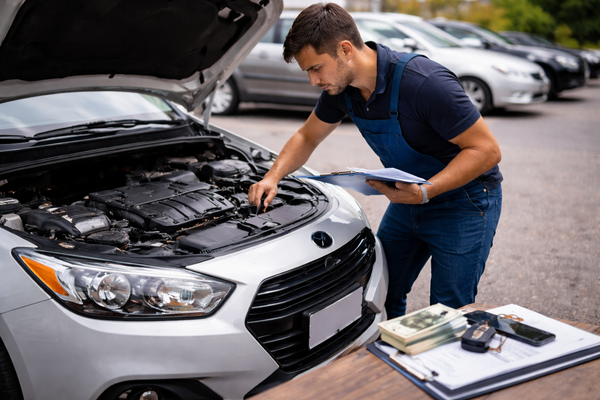
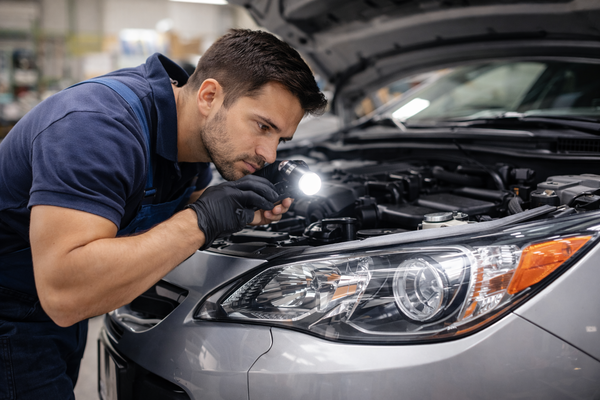
Automobile resale also requires knowledge in automotive engineering. That's why mechanics often start in this business. You need to know how to inspect cars for signs of wear, engine problems, or potential repair costs. Calculating these costs (and their impact on resale value) is extremely important.
But that's why it makes sense to learn basic repair skills. With these skills, you can save money by making small fixes that add value to the car. This can include everything from troubleshooting engine issues to aesthetic repairs, such as bodywork, cleaning, and detailing.
Business and negotiation skills
The ability to close deals is another skill you need to master. Successful car resellers know how to haggle the price with sellers and find the best deals at auctions or private sales. Additionally, you must understand how to properly evaluate and market a car to maximize its resale value. To do this, you need to target the right people and master skills like ad writing. The ability to sell face-to-face is another helpful skill.
Flexibility and scalability in automobile resale
Scalable investments
With this business, you can start small and gradually expand. You can begin with one or two cars and develop the business as your experience and resources grow. It is also a business that can be done full-time, part-time, or as an additional income.
Time management
Automobile resale is a time-consuming task. There are many daily and weekly tasks. This includes things like searching for cars, making repairs, posting ads, and selling. The time you dedicate to this will depend on your commitment and ambitions. It also depends on whether you do it full-time or part-time.
Networking and connections in the industry
Good networking connections can help you succeed in this business. Be sure to connect with other resellers, mechanics, professionals, and dealers. You can meet these people at auctions, local automotive events, and online forums. They can provide you access to the best deals and resources for repairs.
Getting started: key steps for automobile resale
Research and planning
First, determine which cars are in demand and profitable. You can research and look for cars on platforms like eBay Motors, Facebook Marketplace, local auctions, and specialized sites like Twin Cities Auctions. Visiting these platforms gives you the opportunity to review the available inventory, see what your budget can afford, and assess repair and transportation costs.
Legal aspects and licenses
In most states, selling more than 3-5 cars a year requires a dealer's license. Buying and selling cars also requires extensive documentation. This includes titles, invoices, and other legal forms. Also, consider taxes. You will need to pay them on your profits and auction fees.
Insurance and risk management
If you store or repair a car, you may need to consider garage liability insurance. This covers the risks associated with repair or storage. It is also wise to consult a lawyer and ensure you comply with local regulations.
Key strategies for success
Car sourcing
Be cautious at car auctions. You need to set a strict price limit and understand the true market value of the car you are bidding on. Additionally, always look for new sources of cars. Don't limit yourself to auctions and online platforms. One of the best sources of cars is your network. You can leverage relationships with car enthusiasts, mechanics, and other resellers. This can help you get the best deal.
Repairing and improving cars
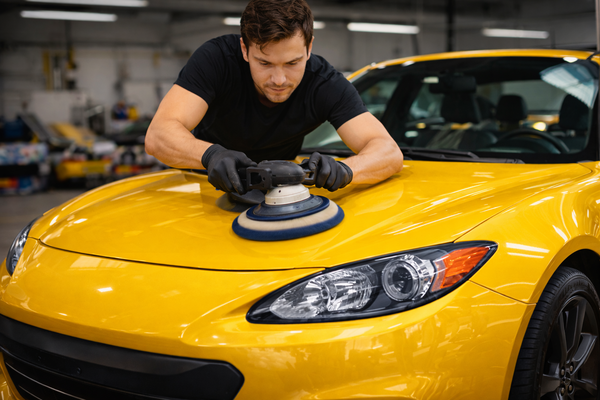
Always focus on repairs that are profitable. Everything you do should provide a high return on investment. This includes things like repairing engines, transmissions, or aesthetic parts. For example, one of the best investments of your money is new tires. Also, decide whether you will do the work yourself or hire a professional. Doing it yourself saves you money in the long run, but mechanics guarantee a higher quality of work. This helps you maintain the value of your car and your reputation.
Marketing and selling your resold cars
Investing time and effort in your ads will pay off later. You need to use professional photographs and make your descriptions as detailed as possible. Also, be sure to set competitive prices for your cars. Prices should be determined based on market research and repair costs. Cars should also be listed on multiple platforms. This increases your chances of selling. Experienced resellers can also offer perks like warranties or financing options. This can help you attract more buyers.

Conclusion: turn your passion into profits
Automobile resale is both a profitable business and an exciting hobby (and it's not as hard as it seems). The best advice we can give you is: start small, develop your skills over time, and gradually scale your resale business. You can start right now by visiting auction platforms and local marketplaces. You can use these platforms to see what is available and if there is any potential.