









7 Best Used Cars to Flip for Profit

Key Takeaways
7 minute read- Japanese economy cars: Best for beginners due to low purchase costs, high availability, and minimal repair expenses with strong resale demand
- Location matters: Pickup trucks flip faster in rural/construction areas while SUVs appeal broadly to families and adventure buyers
- Start simple: Novice flippers should begin with minivans, economy cars, and trucks before attempting higher-risk classic or sports cars
- Repair costs are critical: Always calculate restoration expenses accurately and focus on vehicles needing only cosmetic fixes or minor mechanical work
- Classic and pre-war cars: Require significant capital investment, specialized knowledge, and patience but offer highest profit margins for experienced flippers
Flipping cars can be a lucrative activity. That said, it's not easy. The success of your flip heavily depends on choosing the right car. In this article, we will break down seven of the best and easiest cars to flip for a profit. This includes cars from various categories such as Japanese economy vehicles, classic cars, trucks, minivans, and more.
Japanese Economy Cars
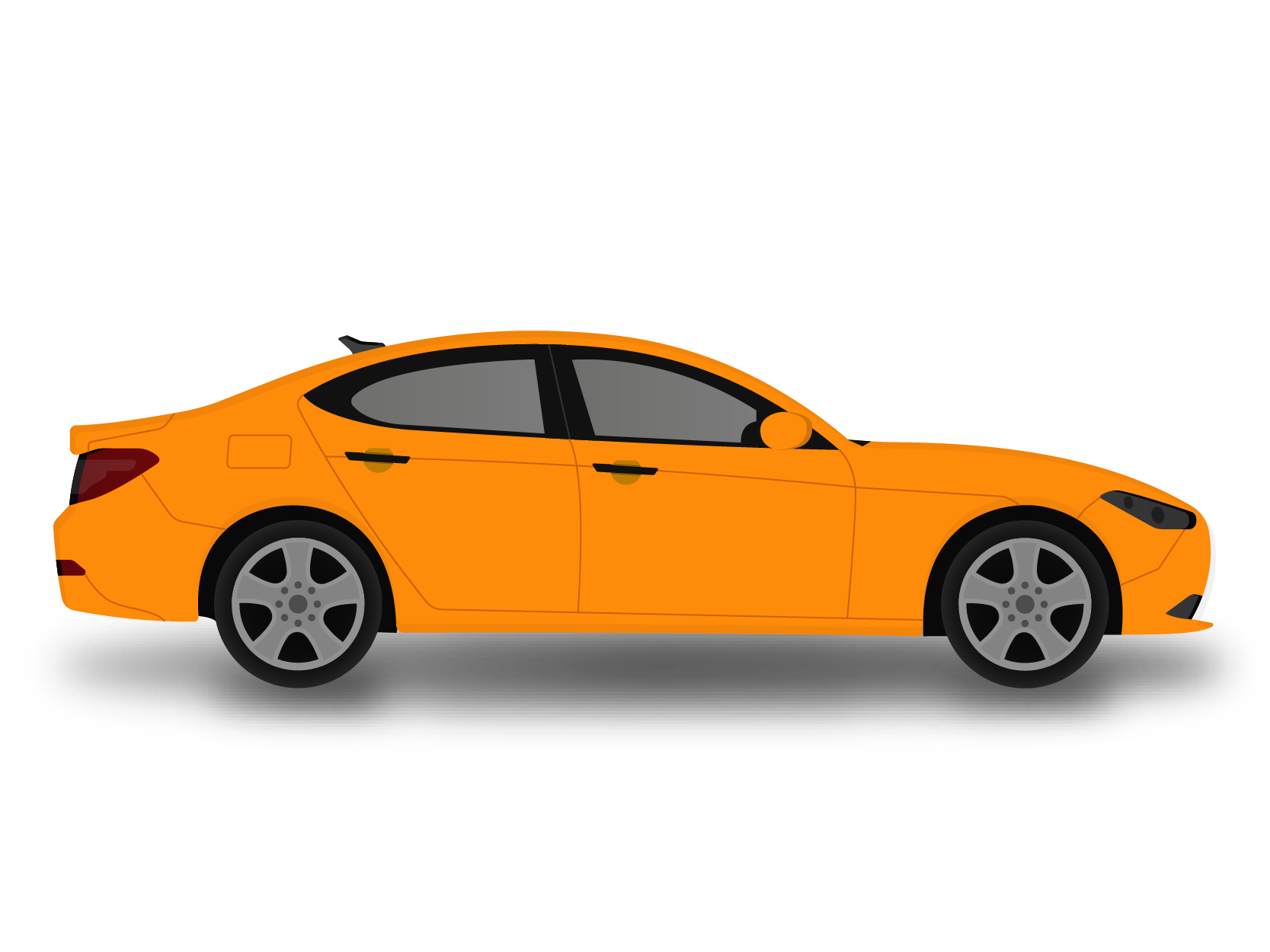
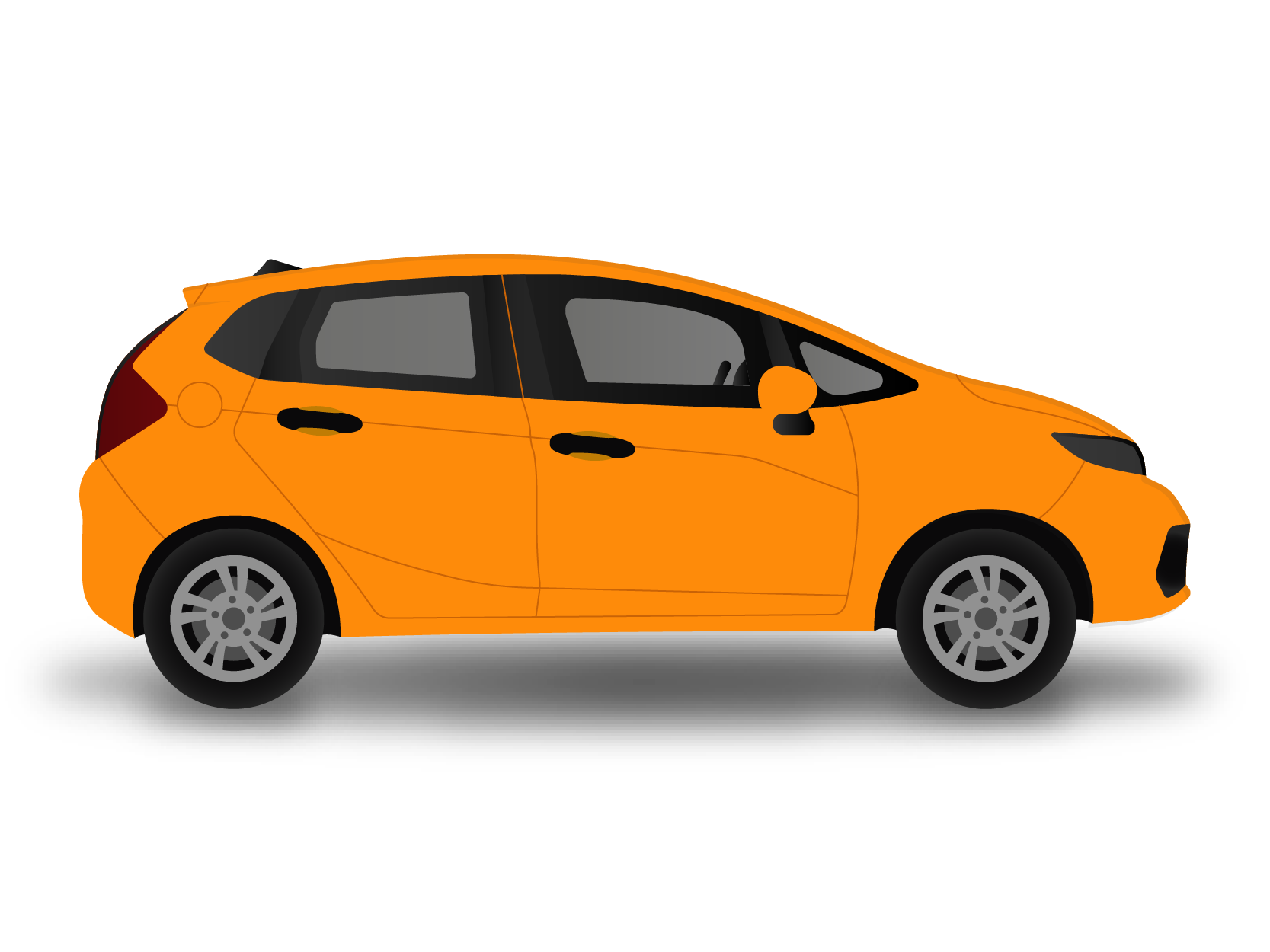
These cars are ideal for flipping. This is due to their high availability in the market, lower purchase cost, and minimal maintenance issues. Japanese cars also have an excellent reputation for reliability and lasting performance.
Best models to consider:
Toyota Corolla: these cars are reliable, easy to maintain, and fuel-efficient. They also have a strong resale value.
Honda Civic: this is one of the best-selling cars that is in constant demand. It also has a huge supply of spare parts.
Toyota Prius: there is a strong market for environmentally conscious buyers. Just note that used hybrids often have battery issues, so keep that in mind.
The advantage of economy cars is that they are inexpensive to repair. It is possible to make low-cost repairs (like replacing brake pads and belts) and this can increase resale value. Replacing hybrid batteries is also relatively inexpensive. When buying, always look for well-maintained cars, even if they have higher mileage.

Classic Cars
Classic cars attract a niche but dedicated market. They can also be very profitable if restored properly.
Best models to focus on:
1965 Ford Mustang: this classic has a legendary following, great parts availability, and constant demand.
1969 Chevy Nova: this is another popular muscle car that still has strong demand among collectors and restorers.
1950s Chevy Bel-Air: this is one of the most iconic cars of the 1950s and is often sought after by classic car collectors.
The biggest challenge with classic cars is the higher initial purchase price. Restoring the car will also be costly, and parts can be hard to find. That’s why it’s wise to focus on cars that only need minor restoration, rather than complete rebuilds. It may also take longer to flip a classic car. In some cases, it could take years. That’s why you should stick to popular cars that already have collector value.

Minivans
These cars have constant demand due to their utility for families, especially in areas with a high number of children or multigenerational households.
Best minivans to flip:
Honda Odyssey: these vans are known for their reliability and excellent resale value. Just note that they often have transmission issues, so be sure to check that.
Dodge Grand Caravan: this is a staple in the minivan market and is ideal for large families.
Minivans often have high mileage. They may also require parts replacements like brakes or suspension work. If you are going to flip a minivan, focus on models that are low-priced due to cosmetic damage (these cars often have good mechanical health). Fixing these cosmetic issues - as well as minor details - can make a huge difference in resale value.

Trucks
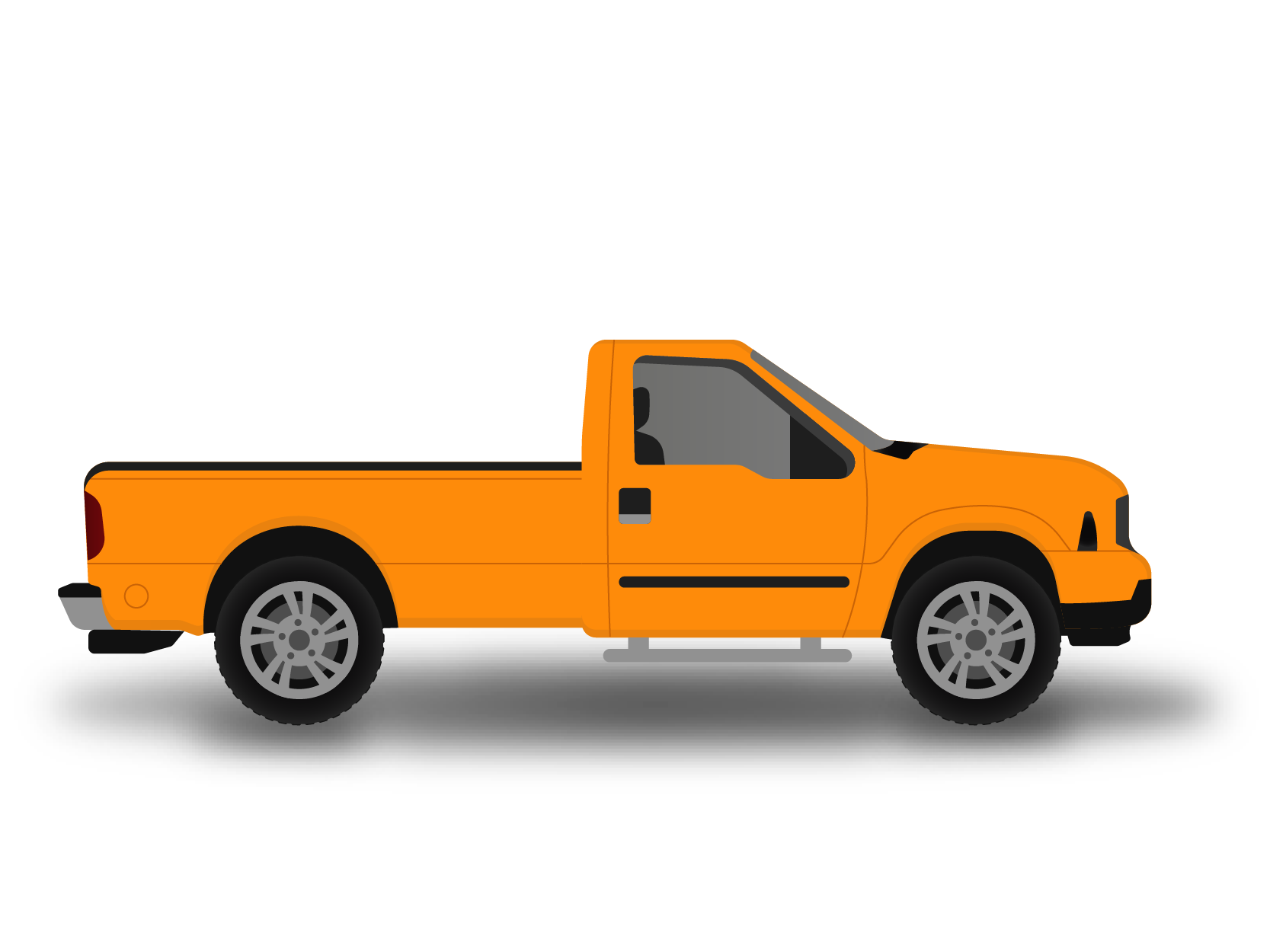
There is always strong demand for trucks. This is especially true in rural areas or high construction density. Most trucks also hold their value well, so you should be able to flip them quickly.
Best models to flip:
Ford F-150: this is one of the best-selling trucks in the U.S., with a huge market for spare parts.
Honda Ridgeline: this is a smaller, lighter truck with better fuel efficiency. It mainly attracts suburban buyers.
Ford Super Duty F-250: this is a powerful truck with strong demand in construction or agricultural communities.
Be cautious when buying trucks. They often suffer from mechanical wear due to heavy use. You may need to replace components like suspension or tires. That’s why you should focus on trucks without major engine problems and trucks that only need minor repairs. Also, consider your location. It is easier to flip trucks in high-demand areas.

SUVs
These vehicles combine family features with off-road capabilities. This means they attract a wide demographic. This includes everyone from young families to adventure enthusiasts.
Best models to focus on:
Toyota RAV4: this model is known for its reliability and popularity. Flipping them is relatively easy and you should have few problems.
GMC Yukon: this is a spacious SUV with good resale value, especially if the car has been well maintained.
Chevrolet Traverse: this is an excellent family vehicle, but be cautious when buying. Early models are known for their questionable reliability and transmission issues.
Transmission problems are actually common in SUVs, especially older models. Keep this in mind if you are going to flip these cars. Another thing to watch out for is parts. These can be expensive and will eat into your profit margins. For this reason, you should only buy cars that have been well maintained. Look for vehicles with clean service records that won’t need major repair work.

Pre-War Cars
Pre-war refers to models built before 1941. These cars can bring a strong profit margin but require significant investments for restoration.
Models to consider:
Ford V8: this car still has broad popularity among classic car circles.
Cadillac Fleetwood: this is a luxury car from the pre-war era with strong demand in restoration circles.
Do not engage in this niche unless you have a lot of money. These cars have high restoration costs. This is mainly due to parts availability issues and the need for specialized mechanical knowledge. Understand that these cars are not for novice flippers. You will need to work with a qualified mechanic or restoration specialist. This person can help you assess the condition of the car and potential repair costs.

Sports Cars
These cars are risky due to their niche market. Despite this, sports cars often have loyal buyers willing to pay a premium price for iconic models in good condition.
Best sports cars to flip:
Chevrolet Corvette: this car offers a mix of performance and luxury. It has a strong fan base and reasonable repair costs.
Audi TTS: this is a sleek and stylish car with decent resale potential.
Porsche (all models): these luxury sports cars have a dedicated following and good resale value.
The problem with sports cars is the high initial purchase cost. You will also need to buy specialized parts. This means that repairing them can be extremely expensive. That’s why you should choose cars with minimal wear and avoid models with major engine or transmission issues. Finding a buyer can also be a challenge, and flipping sports cars can take time. You will need to be patient and wait for the right buyer.

Conclusion
If you are flipping cars, here is rule number 1: don’t lose money! To avoid this, you need to know which cars to flip for maximum profits. That’s why it’s extremely important to research local market trends. Also, look at the car histories before making a purchase decision. Selecting the right car is crucial. In addition to that, you will need to accurately assess repair costs. If you are a beginner, start with something simple like minivans, economy cars, and trucks. You can then move on to higher-value vehicles like sports cars.