



















What Does Salvage Title Mean?

Key Takeaways
8 minute read- A salvage title is issued when repair costs exceed 50–75% of the vehicle's pre-damage value, meaning the insurance company declares it a total loss — making it illegal to drive until inspected and repaired.
- Common causes include flood damage, collision, fire, hail, and theft recovery — and even minor accidents can trigger a salvage designation if parts or labor costs are high relative to the car's value.
- A salvage title becomes a rebuilt title once repairs pass a state inspection, restoring road legality, but the vehicle's history will continue to affect its resale value and financing options.
- Insurance on rebuilt vehicles is limited and often more expensive — some insurers may only offer liability coverage, while full coverage, when available, comes with higher premiums and lower claim payouts.
- Before buying, always run a VIN history report, get a professional inspection, and check insurance quotes in advance — if the asking price is close to a clean-title equivalent, walk away.
Some people are illegally driving their vehicle after a minor accident and yet it’s labeled as “salvage”. This sounds intimidating, but it highlights a mix of opportunity and risk that budget-conscious car buyers may explore. For many adults, searching for salvage titles is their route to finding an affordable vehicle. There are great deals to find, but there is a real risk of making a costly mistake. In this beginner-friendly article, we will explore what the term “salvage title” means, how it differs from a rebuilt title and how it gets this designation. We will look at the rebuilding process and the insurance challenges to overcome. This will help you to understand if a salvage vehicle is worthy of your consideration before you part with your money.
What Is a Salvage Title?
This is a special designation; it’s sometimes called a branded title and it’s issued when an insurance company declares that a vehicle is a total loss. This happens when the cost to repair the vehicle exceeds 50-75% of the pre-damage value. When a salvage title is received the original registration is invalidated, and it can’t be driven legally on public roads. The vehicle can’t be insured for regular use and it must be inspected and repaired before it can be driven on the roads again.
The most common ways to receive a salvage title designation are: fire damage, hail storms, vandalism, flood damage, theft recovery and collision damage. After the damage the car may run fine, but if those repair costs exceed its value, it can be declared a total loss. The vehicle may look fine, but there could be hidden damage that makes potential repairs risky and/or expensive.
Causes Leading to a Salvage Title
The decision to label the vehicle as salvage is mainly financial and the mechanical condition has the lesser impact. Insurance companies use the following formula:
Repair Cost + Actual Cash Value (ACV) = Total Loss Percentage
If the result of this formula is that the cost exceeds a threshold of 50-75% (depending on the specific company) the car will be declared as a total loss.
Here’s a step-by-step breakdown of this process:
- Assess Damage: The adjuster will evaluate the visible and potential hidden vehicle damage.
- Estimate Repair Costs: The report will include all the parts, labor and additional hidden repairs that will be required.
- Compare to the ACV: the value of the car before the accident is calculated base on the age, condition and mileage.
If the repairs are deemed to cost too much relative to the value of the vehicle a salvage title is issued by the insurer.
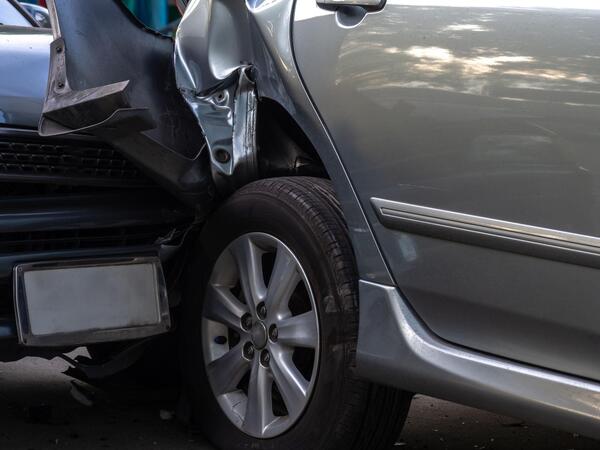
It’s important to understand that even a minor collision can lead to the issuing of a salvage title. This may be because the specific parts are expensive or the labor costs are too high. The adjusters tend to overestimate the damage and older vehicles are worth less.
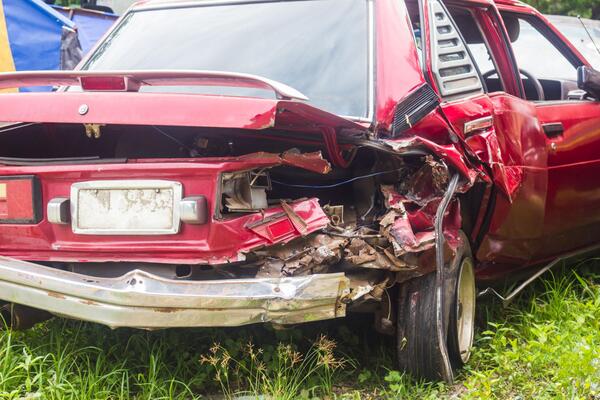
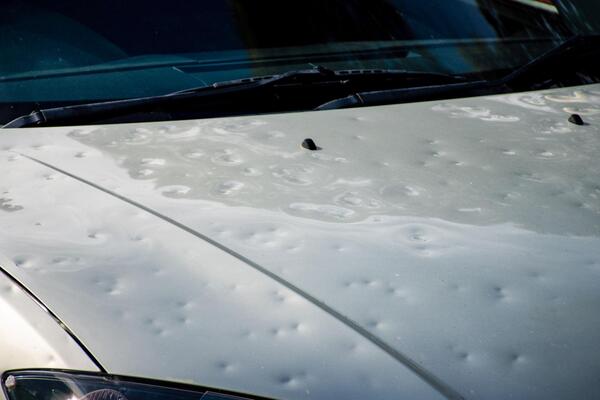
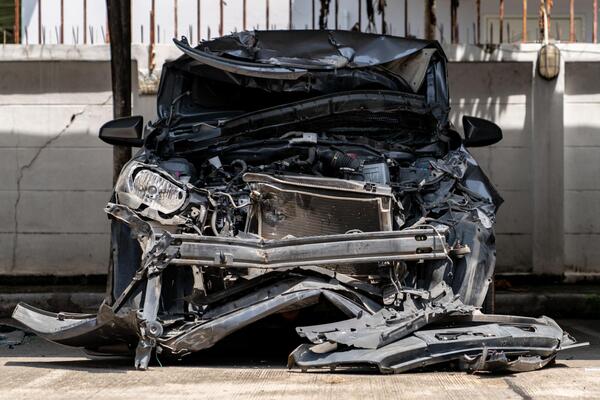
Collisions tend to result in frame damage and crushed bumpers and hail can cause severe body dents.
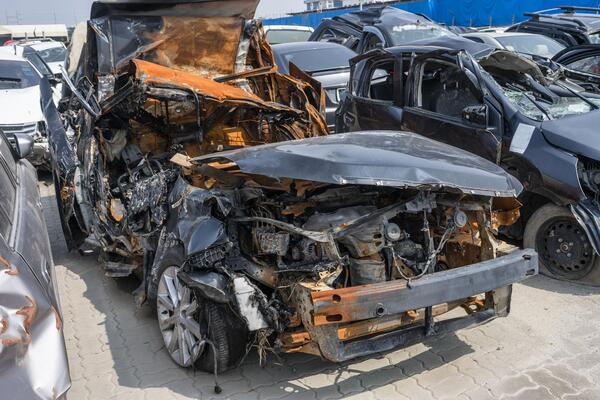
In a fire there may be interior damage and the engine may be affected. In a theft scenario, there could be missing parts after the recovery that may cost too much to replace.
In a flood the electrical system can fail and this can be expensive to repair. Even after the repair, there may be issues like electrical failures, water damage and frame misalignment that affect the handling and safety of the vehicle.
Salvage Title vs. Rebuilt Title: Key Differences
After the inspection and repairs, the vehicle becomes a rebuilt title. Then it’s approved for road use and the insurance is limited to full coverage. On a rebuilt title, financing is sometimes available and the resale value may be lower. A rebuilt car restores the drivability and yet the history will still affect the value for a future sale.
The Rebuilding Process: Step-by-Step
To transform a salvage into a rebuilt vehicle requires documentation, time, effort and resources. This may seem complex, but it can be reduced into a five step process:
- Buying the Salvage Vehicle: These salvage titles are typically purchased from private sellers or at car auctions.
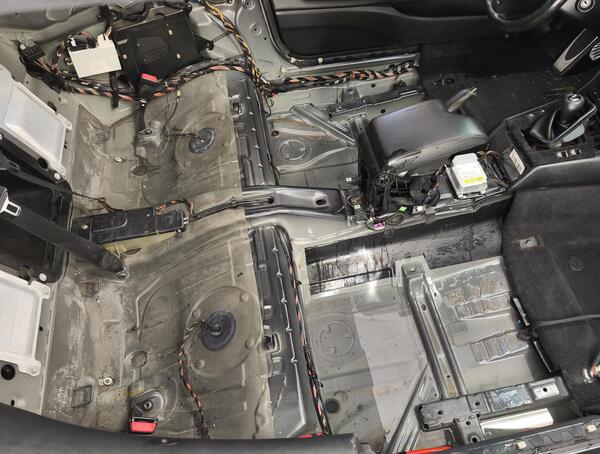
- Repairing the Vehicle: This may include mechanical fixes to the engine and suspension. The bodywork may need work, panels may require replacement and paintwork may be necessary. The electrical system may need work and this is especially true in flood damaged vehicles.
- Keeping Up with the Documentation: It’s vital to take before-and-after photos and keep all the receipts for parts and labor records.
- Schedule the Inspection: The state authority will check the structural integrity and safety systems of the airbags to ensure that it’s roadworthy.
- Receiving the Rebuilt Title: If the vehicle passes the inspection it becomes road legal to drive and ready to be insured.
If for some reason the vehicle fails the inspection, there may be additional repairs required. When this work is completed a reinspection can be scheduled, but the vehicle will be unusable until it can pass.
Insurance Implications for Salvage Titles
One of the largest challenges to overcome with salvage and rebuilt vehicles is insurance. A salvage vehicle can’t be insured for road use. After rebuilding, it is possible to insure the vehicle, but this will be limited and the premiums may be higher.
In the event of an accident the payouts will be lower because the value of the vehicle is lower.
There is a pervasive myth that rebuilt cars can get full insurance coverage, but some insurers can offer full coverage subject to conditions.
Liability coverage is typically available and certain insurers may offer comprehensive coverage. However, the premiums may be higher, the claim payouts are lower and the insurer options may be limited. Some insurers may require additional appraisals or inspections. It’s also important to note that loan approval may be difficult when the vehicle value is lowered.
Challenges and Risks of Insuring Rebuilt Vehicles
The premiums may be higher because there may be lingering hidden damage that raises the accident risks. There could be a higher likelihood of mechanical issues that arise in the future.
Certain insurers may refuse coverage, others may only offer liability and comprehensive and collision coverage could be restricted. A repaired vehicle may still have poor alignment, faulty airbags or structural weaknesses that degrade the safety.
Should You Buy a Vehicle with a Salvage Title?
It is possible to buy a salvage title at a significantly lower purchase price and the damage may be mostly cosmetic in nature. For the mechanically minded, this is a great option for a daily driver or a project vehicle.
The risks are in the potential safety issues, hidden damage, insurance complications and limited financing options. The price may be lower, but the vehicle is harder to resell later. There may be insurance challenges to overcome, but this is a viable option for DIY repairs.
Let’s look at five tips to follow before you buy a salvage title:
- Carry out a thorough inspection.
- Bring a mechanic if you lack the skills or confidence to evaluate the vehicle.
- Run the VIN history report.
- Check the insurance quotes in advance.
- Check the local laws.
If the seller is asking for a price close to a clean-title alternative, walk away.
Practical Tips for Buyers and Owners
For Buyers:
- Always ask for original repair estimates.
- Watch out for “title washing” which is when the salvage history is hidden.
- Look for signs of bad repairs, such as: badly fitting doors, uneven paint and strange noises.
For Owners:
If you’re looking to keep a damaged car:
- Notify your insurer.
- Surrender the plates and registration.
- Apply for a salvage title within the specified timeframe.
- Carry out the necessary repairs.
- Schedule the inspection to obtain a rebuilt title.
Bear in mind that certain states restrict salvage titles to newer vehicles only and the inspection requirements may vary.
Conclusion
Because a salvage title has repair costs that exceed 50-75% of its value, it is declared to be a total loss by the insurance company. The car is not legal to drive, it must be repaired and inspected before it’s considered to be a roadworthy rebuilt title. A salvage vehicle can represent significant savings, but there are risks such as reduced resale value, limited insurance options and hidden damage to contend with. Always research the state laws before you buy a salvage title and get a professional inspection. Run a VIN check to verify the history and compare the insurance quotes beforehand. If you approach this process thoughtfully a salvage vehicle may be a smart purchase.