








What Does Biohazard Mean in a Car Auction?

Key Takeaways
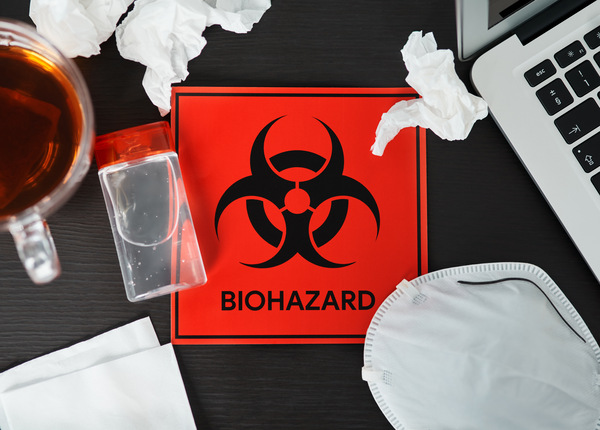
6 minute read- Biohazard Definition: A car labeled "biohazard" at auction has been exposed to bodily fluids, human remains, or severe contamination from incidents like accidents, death, floods, or animal waste.
- Value Proposition: Biohazard cars offer amazing bargains as they're often well-maintained vehicles sold at suspiciously low prices due to their contamination history rather than mechanical issues.
- Safety Requirements: Buyers should verify the vehicle has a Certificate of Hygiene from OSHA-licensed professionals confirming it's been properly cleaned and passed air quality and microbial tests.
- Due Diligence Needed: Investigate contamination levels, review insurance documentation with incident records, and calculate restoration costs before purchasing to ensure affordability and roadworthiness.
- Health Risks: Never attempt to clean a biohazard car yourself without proper training, as specialized compounds and chemicals are required for safe bioremediation to avoid health problems.
When you browse online car auctions, you have probably noticed the word "Biohazard" in some of the descriptions. Listings containing this word may include cars that look new but are priced suspiciously low. If you are new to the world of car auctions, this may seem like a clear warning sign, as the word "Biohazard" generally means something that poses a risk to the environment or human health.
What does "Biohazard" mean at a car auction?
"Biohazard" in an auction listing means that a car has been in contact with bodily fluids or human remains at some point in its life. This exposure to a biohazard may have occurred recently or a long time ago. Therefore, the evidence may not be as obvious. In other cases, the car may show obvious physical signs that may seem alarming.
When are cars labeled as biohazards?
A vehicle is labeled as a biohazard if it has been contaminated by a murder, a birth, accidents, injuries, or a suicide. Sometimes, the presence of animal fluids or waste can also be considered hazardous, especially if the vehicle has been stored for a long time with animal waste or fluids. Other biohazard situations include:
Flooded vehicles: Vehicles that have been flooded and left idle for a while develop mold. In addition to affecting the operation of various components of the car, mold can emit toxic odors that cause respiratory illnesses. Over time, moisture leads to rust, which eventually causes decay and turns the car into scrap if not salvaged in time.
Junk vehicles: A car could be labeled as a biohazard if it contains waste that has caused dents and stains. Depending on where the waste was found, it may not have caused much damage to the car, or it could have affected important components of the car.

How to choose a car with a "Biohazard" label?
Caution is important whenever you want to buy a car. For cars labeled as biohazard, you will need a particularly careful approach. This is especially true if you suspect that all the information on the auction page is not provided. So how should you proceed to choose a biohazard car?
Examine the level of contamination
A car labeled as a biohazard is an acknowledgment that there might be something wrong. It is therefore your responsibility to further investigate what happened and what the implications are. It is helpful to know how long the car has been unused with the contamination and what is needed to make it roadworthy.
Get quotes for replacing the flooring and upholstery to ensure that you are getting a car you can afford. Some car buyers care less about a car's history as long as it is in working condition. On the other hand, others would not dare buy a vehicle where a life has been lost. What type are you?
The vehicle must have a hygiene certificate
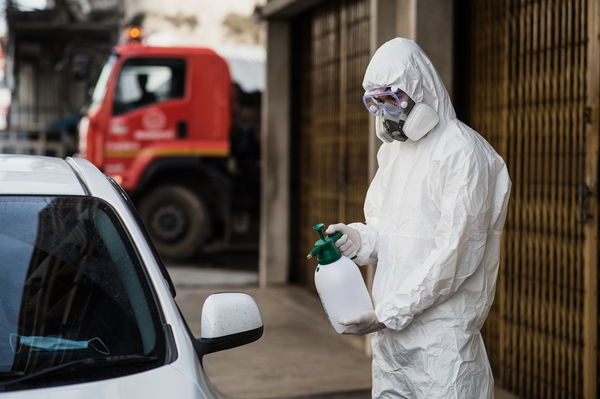
There are biohazard cleaning service providers who clean, disinfect, and deodorize vehicles involved in injuries or deaths. They are specially trained and OSHA-certified to thoroughly clean biohazards and then provide certificates. The certificate simply indicates that the vehicle has been professionally cleaned and has passed air quality and microbiological tests.
The last thing you want is to experience trauma by buying a car that still contains human remains or bodily fluids. So make sure to ask if it comes with a hygiene certificate.

Ensure that the biohazard car has insurance documentation
Insurance documentation often contains records that include images and documents that can give you more information about why this vehicle is a biohazard. The images can be graphic, so be aware of this before checking and reading the insurance documentation.
Benefits of buying biohazard cars
Why buy a biohazard car?
Incredible value
There are great deals to be had when buying biohazard cars. From our experience, most of these vehicles are well-maintained and serviced. Of course, you need to check the major components of the vehicle, including the engine, braking system, transmission, interior surfaces, and overall appearance, to ensure you are getting the best deal. Calculate some of the potential restoration costs to know how much it might cost to make it functional.
Restoration opportunities
For those who are passionate about car restorations, biohazard cars can be an exciting opportunity to clean, repair, and renovate them. If you have the skills, you can buy the car and restore it to working condition or simply customize it to your liking. Even if the restoration does not work out, you could still dismantle it and sell the parts.
Environmental benefits
If the future of the planet matters to you, buying biohazard vehicles will delight you. Buying a biohazard car prevents a still usable car from being scrapped.
What are some of the downsides of buying a biohazard car?
Potential mechanical issues
Sometimes, cars end up at auction under questionable circumstances, and the information provided may be insufficient to determine if the purchase is worth it. There may have been neglect during the contamination period, leading to other mechanical problems. You may have to spend money on damaged parts that you may not have anticipated when buying.
Potential health risks
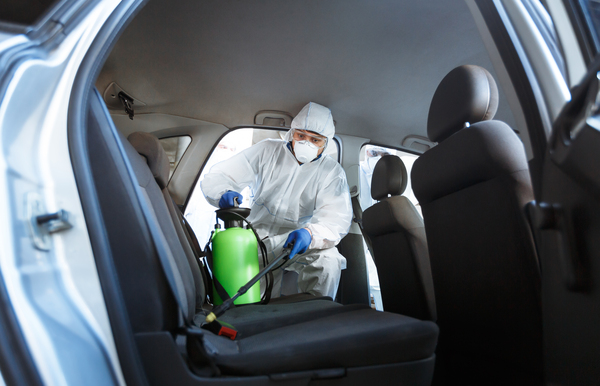
You should not buy a biohazard car that has not yet been cleaned, especially if you are not trained to perform the cleaning. It is not recommended to clean a biohazard car, as this could lead to health issues or further destruction of the car. This is due to the chemicals and connections used for the bioremediation of the car.
Check out our biohazard car offering
As a car auction company with years of experience, we have had the pleasure of serving car buyers. We have seen people buy biohazard vehicles and drive them for years. However, you need to weigh the potential risks and benefits to ensure that you are buying the car that perfectly fits your needs. You may also need professional help from someone who understands how to buy biohazard vehicles to ensure that you are spending your money on the right thing. Browse our listings to find the right car for your needs.