


















Ultimate Guide to Buying Impounded Vehicles


Key Takeaways
9 minute read- Impounded vehicles come from three sources: cars seized by authorities for violations, repossessed by lenders for missed payments, or taken during legal proceedings for unpaid taxes or debts
- Multiple channels exist for purchase: buyers can find impounded cars through local government and police auctions, online platforms like GovDeals.com and Copart.com, or direct sales from towing companies
- Thorough inspection is critical: always run VIN checks, perform physical inspections of the vehicle's condition, and understand that most sales are "as-is" with no refunds or test drives allowed
- Hidden costs add up quickly: beyond the bid price, expect to pay sales tax, DMV fees, title transfer costs, storage fees, towing expenses, and potential repair or locksmith charges
- Research prevents costly mistakes: avoid emotional bidding by setting strict budgets, watching auctions before participating, checking vehicle values on KBB or Edmunds, and reading all auction terms carefully
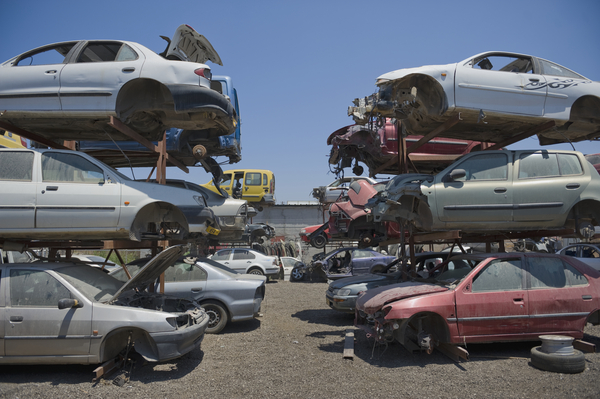
Impounded cars are vehicles that have been lawfully seized by authorities for various reasons, including unpaid parking fines, involvement in a crime, or simply being left unattended. The vehicles are stored in a lot awaiting return to their rightful owner, but if they remain unclaimed for 30-90 days, they are put up for auction by the towing company or municipality.
This can provide a great opportunity for college students, mechanics, taxi drivers, resellers, or anyone looking for a cheaper car. However, if you want to take advantage of the opportunity to purchase a car at a reduced price, you need to understand how to find, inspect, and safely buy impounded cars.
What are impounded cars?
To avoid potential issues, it is important to understand that there are different types of cars you may find at auctions.
Definitions and Legal Information
There are three scenarios in which a car may be seized from its rightful owner and put up for auction.
Impounded Cars
Impounded cars are those that are seized due to involvement in a crime, illegal parking, or being left unattended by their rightful owner. For example, if the owner leaves the car parked illegally, it may be towed to a lot. The owner will receive a notice and instructions on the fees that need to be paid to release the car. However, if they do not do so within the specified time, the car will be put up for auction.
Repossessed Cars
Repossessed cars are those that are seized by a lender due to missed payments. When you take out an auto loan or other vehicle financing, you agree to pay a certain amount each month for a set number of months. You should know in advance how much you need to pay and when your financial obligation ends. However, if you miss payments, the lender has the legal right to take the car and sell it to cover their losses.
Confiscated Cars
Confiscated cars are those that are seized during legal proceedings or IRS investigations. A car may be seized as collateral against debts or overdue taxes. The car owner is notified of the confiscation and the process for returning the car to them.
In all three situations, there will be a holding period. This usually lasts from 20 to 90 days, during which the owner has the right to claim the car. The specific procedure will depend on the circumstances, but there may be fees to pay or other requirements to release the car. After the holding period, the car is likely to be scheduled for auction.
Reasons for Impoundment
Since this article focuses on impounded cars, we will take a closer look at the reasons a car may be impounded.
Abandoned, expired registration, or uninsured.
If it is found that a car has expired registration, no insurance, or has been left unattended for usually at least 72 hours, it is considered abandoned and is likely to be impounded.
Confiscations related to DUI or arrests.
If a police officer stops you and finds that you are driving under the influence or in another arrest-related situation, the car will be impounded and taken to the police vehicle lot.
Parking violations in tow-away zones.
When you park in a tow-away zone or are parked illegally, you are likely to return and find that your car has been impounded.
Evidence in criminal investigations.
During a criminal investigation, the scope of a search warrant may include the suspect's vehicle. In this case, the car will be impounded and sent for evidence inspection.
Legal confiscation or IRS seizure
If you owe overdue taxes or have other legal issues, a court may allow the legal confiscation of your car. This is usually done to offset debts, but you will receive a notice of intent to confiscate the car along with any instructions on how to avoid the impoundment of the vehicle.
Lender repossession
If you have an auto loan or financing agreement for your vehicle and you do not make scheduled payments each month, the financial institution may repossess the car to cover the debt.
You will typically receive notifications about the amount owed, and after the car is repossessed, you should have instructions on how you can retrieve the vehicle. This usually involves settling your account and demonstrating your ability to continue making scheduled payments in the future.
What Happens Next
Regardless of the reason the car was impounded, it will be delivered and stored at a designated lot. Unfortunately, while the car is at the lot, towing and storage fees continue to accumulate. If the car remains unclaimed, it will be transferred to auction, providing an opportunity for a new buyer to get a great deal on the vehicle. However, it is important to note that there are no guarantees regarding the working condition and title of the car. It may even lack keys.
Where to Buy Impounded Cars
If you are still interested in the idea of buying an impounded car, you need to know where you can purchase one.
Local Government and Police Auctions
The easiest way to find an impounded car auction is to contact local government and police departments. You can find information about these auctions on city websites, through online searches, or by consulting details at local impound lots. Auctions are typically held monthly or bi-monthly, but they are usually announced in advance.
Online Auction Platforms
There are several online auction platforms that make it easy to find impounded cars from anywhere. Websites like GovDeals.com, RideSafely.com, Copart.com (through a broker) have transparent listings and straightforward instructions. However, there will be transportation costs associated with the sale, and you will have limited opportunities to inspect the car before purchasing.
Towing Company Auctions
Some local towing companies offer direct sales, but they are typically not advertised online. This can make them a bit harder to find, as you will need to contact the companies directly. However, if you are willing to spend some time researching, you can find excellent resources and fully inspect the car before considering a purchase.
Auction Process: Step by Step
Although the details may vary depending on the auction, there is a fairly typical step-by-step process.

Registration
Before you can bid on a car, you will need to register. If you are using GovDeals or PublicSurplus, you can register online; otherwise, you will need to register in person.
Bidding Format
You can bid live, online, or by mail. In all these formats, it is important to be prepared to bid in advance and set a maximum bid to avoid overspending.
After Winning
After you win the auction, you will receive instructions on payment deadlines and how you can pay. You will need to arrange for the towing or transportation of the vehicle, and keep in mind that you may incur daily storage fees for any delays in retrieving the car.
Inspecting and Evaluating Impounded Cars
While it can be challenging to find an affordable option at an impounded car auction, it is important to buy wisely and properly inspect and evaluate the car before placing a bid.
Vehicle History and Title Status
You can use VIN search tools such as Carfax.com, AutoCheck, or NICB.org/VINcheck. Pay special attention to reports of accidents, liens, and salvage titles that may create issues for the new buyer.
Physical Inspection Tips
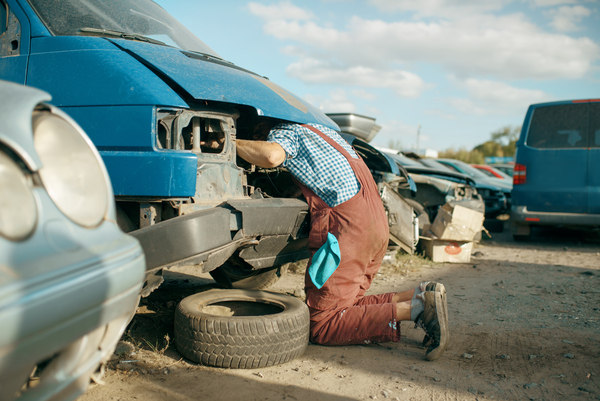
When conducting a physical inspection, you will need to bring necessary tools, including a flashlight and gloves. Check the condition of the interior, engine compartment, and chassis. Remember that if you do not have mechanical knowledge, you should bring someone with experience.
Mechanical Issues
Finally, check for issues such as missing keys or a locked engine. Most auction organizers will not allow you to take a test drive, but you may be permitted to start the car to see how it runs.
Understanding Costs (Beyond the Bid Price)
Before placing a bid, it is important to understand the total cost of the vehicle. Common fees include sales tax, DMV fees, title transfer fees, and storage costs. However, you may also need to pay for deep cleaning, towing, repairs, and even locksmith fees for key replacements.
Common Buyer Mistakes to Avoid
Skipping VIN checks: This puts you at risk of buying a car that cannot be registered
- Not reading the auction terms: Most cars are sold as-is or on-site, meaning there are no returns.
- Bidding emotionally: If you are buying for the first time, start with small bids and set a strict budget. Don’t let auction emotions take over.
- Not researching the car's value: Don’t assume the auction will give you a great deal. Research the car's value using appraisal tools like Edmunds.com or KBB.com to get an approximate worth.
- Not observing the auction first: Before bidding, watch one or two auctions to understand the bidding dynamics and how everything works.
Final Verdict: Is it Worth It?
There are potential issues with transferring the title of an impounded car, and you may face challenges with insurance coverage, but title and registration laws vary from state to state. Nevertheless, if you can navigate these issues, purchasing an impounded car can be a good option for many people. Just remember to familiarize yourself with the details before considering placing a bid.