



















Can You Get Insurance on a Salvage Title?

Key Takeaways
8 minute read- A salvage title vehicle cannot be insured for road use — it must first be repaired, documented, and pass a state inspection to be converted to a rebuilt title before any coverage is possible.
- Rebuilt title insurance is limited and more expensive, with premiums running 20–40% higher than clean-title vehicles and claim payouts typically 20–40% lower due to reduced market value.
- Liability-only coverage is the most commonly available option for rebuilt title cars — comprehensive and collision coverage is harder to obtain and subject to stricter insurer requirements.
- Always get 3–5 quotes before committing, as policies vary widely — many insurers won't quote rebuilt vehicles online, so call directly and disclose the title history upfront to avoid future claim denials.
- Detailed repair documentation is your strongest asset — before-and-after photos, receipts, work orders, and mechanic reports all improve your chances of approval and better rates.
Perhaps you’ve found your dream vehicle with a significant discount and found that it’s a salvage title? Although it’s a smart buy on paper, will it throw up insurance roadblocks that negate the value? Some buyers save thousands of dollars upfront and discover that the insurance challenges are simply too overwhelming. You cannot insure a car that has an active salvage title, but you can convert it to a rebuilt title to unlock limited insurance options. In this brief guide, we’ll explain what a salvage title means and why insurance companies tend to avoid them. Then we’ll look at the steps required to convert a salvage into a rebuilt title to make it roadworthy and insurable. We’lll examine the types of insurance available and what their limitations mean. This information and these practical tips will help you to understand if a salvage or rebuilt vehicle makes sense for you.
What Is a Salvage Title and Why Does It Matter for Insurance?
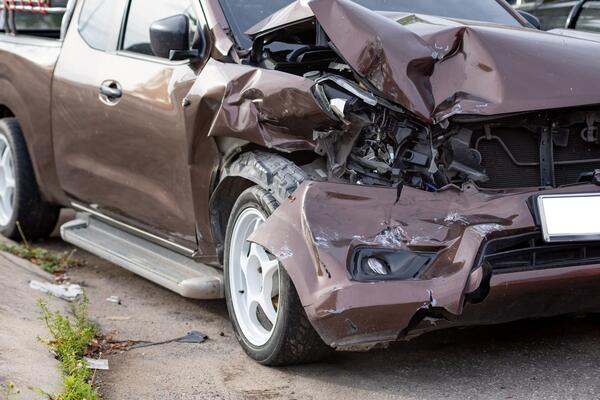
A salvage title is issued after an accident when the insurance company declares that a vehicle is a total loss. This occurs when the cost to repair the vehicle exceeds the percentage of the pre-accident value by 50-75% depending on the state.

Common Causes Of Salvage Titles:
The most common causes of vehicles becoming salvage titles include: collisions, fire damage, theft recovery, vandalism and flood damage. The insurer determines if it makes financial sense to repair or replace the vehicle.
A salvaged-titled vehicle is not legal to drive on public roads and this disqualifies them from auto insurance coverage. The vehicle must be roadworthy before an insurance company will issue a policy.
From the perspective of the insurer, salvage cars present certain risks, such as: unknown repair quality, hidden damage and challenges in determining the market value. Due to these uncertainties many insurance companies will not insure a car with an active salvage title.
Salvage Title vs. Rebuilt Title: Key Differences
It’s important to understand the difference between a salvage and rebuilt title if you’re in the market for this type of vehicle:
| Aspect | Salvage Title | Rebuilt Title |
| Status | Declared total loss; not roadworthy | Repaired and inspected; road-legal |
| Drivability | Illegal on public roads in most states | Legal after passing state inspection |
| Insurance Availability | Almost never (no coverage) | Possible, but limited and more expensive |
| Value Impact | Drops significantly (20–50% less than clean title) | Still reduced, but higher than salvage |
| Process | Issued after total loss by insurer/DMV | Requires repairs, documentation, inspection |
The Process to Make a Salvage Vehicle Insurable
If you need to insure a salvage vehicle there are five steps in the process to convert it into a rebuilt title vehicle:
1. Repair the vehicle thoroughly
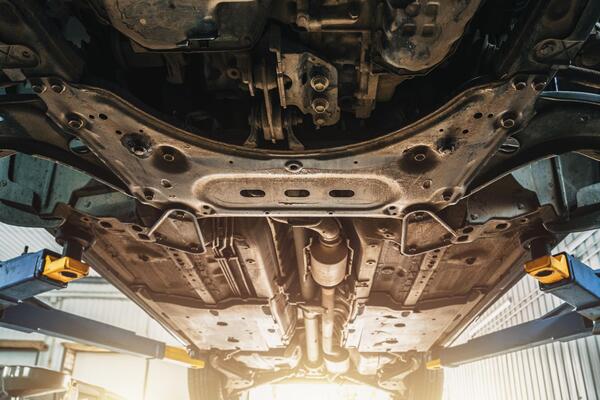
To restore the vehicle to a roadworthy and safe condition, it’s essential to carry out any structural repairs to the chassis and frame. Mechanical fixes to the engine, brakes and suspension system may be required. All safety components, like the seatbelts and airbags must be restored to full functionality. At this stage, it’s highly recommended to use certified and experienced mechanics to carry out the repairs.
2. Document everything
It’s vital to keep detailed records of the aforementioned repair process. Take before-and-after photos of the vehicle and keep the receipts for parts and labor in a safe place. You’ll need the work orders, invoices and proof of ownership for the replacement parts that are installed. This documentation is crucial for the inspection and the approval for insurance when the vehicle becomes a rebuilt title.
3. Pass a state-required inspection
Every state has varying requirements, but most inspections verify that the vehicle is safe to drive, that it meets regulatory standards and that no stolen parts were fitted. In some states, the inspections are carried out by certified mechanics or DMV officials.
4. Apply for a rebuilt title
When the vehicle passes inspection, the paperwork is submitted to the state DMV and the title is updated to reflect the changed status. Depending on where you live, there are a number of terms that may be interchangeably used, such as: rebuilt, prior salvage or reconstructed.
5. Register the vehicle
When the rebuilt title is issued, the vehicle is road-legal. That means it can be registered and driven. Always check the specific requirements because they can vary widely by state. The local DMV guidelines should be checked before you begin this process to ensure compliance.

What Types of Insurance Are Available for Rebuilt Title Vehicles?
When the vehicle has a rebuilt title it’s possible to insure it, but the options can be limited:
Liability coverage (most common)
This is easier to obtain, it’s a requirement in most states and it offers coverage for damage or injuries that you may cause to others. For most rebuilt vehicles, this may be the only available insurance option.
Comprehensive and collision coverage
They cover damage to your own car in a collision and non-collision incidents like weather related events (comprehensive) and theft. This is harder to obtain, not all insurers offer this level of coverage and it may be subject to strict requirements. Certain insurers may ask for photos or videos of the vehicle, a mechanic’s inspection report or an additional underwriting review.
Other coverage options
It may be possible to add Personal Injury Protection (PIP), Medical Payments (MedPAy) and uninsured/underinsured motorist coverage.
Lower claim payouts
Even if there is insurance coverage available, the payouts tend to be 20-40% lower than clean-title vehicles because the market value is reduced.

Why Insurance Costs More for Rebuilt Title Cars (and How Much More)
Insurance companies will charge higher premiums for rebuilt vehicles because they represent a higher risk. There’s the potential for hidden damage, it’s harder to assess the true value, the quality of the repairs can be variable and there may be structural weaknesses.
The premiums tend to be 20-40% higher, the liability-only policies may increase less and if full coverage is available it will cost significantly more. Other factors that will affect rates, include: your driving record, the mileage, the vehicle type and age, state insurance laws and the quality of the repair documentation.
Where to Find Insurance for Rebuilt Title Vehicles
Some insurers are more flexible when it comes to rebuilt title vehicle coverage. There are high-risk or speciality insurers that may cater to non-standard scenarios and they may be willing to insure a rebuilt vehicle. Some standard insurance companies may offer coverage with conditions, such as: limited policy options, documentation requirements and additional inspections. Because these policies vary widely, it’s important to shop around before you purchase a policy.
To find the best coverage use comparison tools to evaluate the quotes. Call the insurer directly and you will discover that many companies won’t quote a rebuilt vehicle online. Always get 3-5 quotes before you make a choice and disclose the vehicle title history upfront to prevent a claim denial and policy cancellation later down the line.
Practical Tips for Getting the Best Coverage on a Rebuilt Title Car
Here are six practical tips to buy insurance for a rebuilt vehicle:
- Shop Around: Get your quotes in advance to ensure that the costs don’t outweigh the potential savings.
- Document the Repairs: Having detailed documentation available will improve the chance of approval and get you improved rates.
- Consider Liability-only Coverage: On lower-value vehicles this is typically the more cost-effective option.
- Go with a Higher Deductible: For full coverage an increase in the deductible may reduce the premiums.
- Get a Pre-purchase Inspection: Hire a certified mechanic to find any hidden issues before you commit to buy.
- Evaluate the Pros and Cons: The main advantage is the lower upfront purchase price of a salvage title. There are three main disadvantages, they are: higher insurance costs, limited financing options and a lower resale value.

Conclusion
A vehicle can be insured if it’s converted to a rebuilt title, but the options can be limited. The coverage choices are often liability-only, the premiums may be 20-40% higher and the claim payouts tend to be lower. This is because insurance companies view rebuilt titles as a higher-risk due to valuation challenges and the potential for hidden damage. Before you purchase a salvage vehicle, get 3-5 insurance quotes in advance, check the state’s DMV requirements and ensure that the repairs are done correctly and well documented. If the savings on purchasing the salvage title outweighs the additional insurance and ownership costs it can be a smart move to invest in the rebuilt vehicle process. If this is not the case, a clean-title vehicle is the better option and it offers more peace of mind.